
This is the Best Gingerbread Houses guide to where the tradition actually came from, with the sources shown, because most of what circulates about gingerbread history is folklore wearing a date.
There is one error in particular that is almost universal. Ask where gingerbread houses come from and you will be told the Brothers Grimm: bakers read Hansel and Gretel, and built the witch’s cottage. Google’s own AI summary of this question says it. So does nearly every article on the first page of results.

It is the wrong way round. Gingerbread houses are about two hundred years older than the story.
What follows covers where gingerbread came from, when houses actually appear, how the tradition attached itself to Christmas, and which of the famous gingerbread facts survive contact with a source. If you only read one section, read the one on the Grimms.
Everything below is marked for whether it is documented or simply widely repeated, because on a topic this old the difference matters and almost nobody draws it.
Why is gingerbread called gingerbread?
Because it originally meant preserved ginger, not a baked good at all. Smithsonian Magazine’s history of gingerbread puts it precisely: “In medieval England, it referred to any kind of preserved ginger (borrowing from the Old French term gingebras, which in turn came from the spice’s Latin name, zingebar.)”
The root was first cultivated in ancient China and was eventually discovered to help preserve both flour and meat. Because of this, ginger was baked into little crisps, that eventually became cookies in Western Europe. These cookies or “fairings” as they would be called at the time, grew wide popularity at fairs, hence the name. Many fairings were decorated with gilded edges and would be the foundation of what would today be known as the gingerbread house.

What is a gingerbread house?
A gingerbread house is a confectionery house usually made from a hardened ginger biscuit, often referred to as a “ginger nut”. This house is typically decorated with an assortment of frosting and candied elements. This practice stems from the tradition of baking ginger into small cookies, called snap cookies during European and North American holidays. The general characteristics of a gingerbread house is that the end product should resemble some form of architecture, but nowadays, it is very loosely applied. A gingerbread house can be made to look like anything, with the important rule of it being constructed entirely of edible items, namely candy and gingerbread.


Did Hansel and Gretel really start the gingerbread house?
No, and the timeline is not close. For what the house in the story was actually made of, and how to build it, see the Hansel and Gretel gingerbread house.
Smithsonian Magazine puts the first gingerbread houses in the 1600s, “a few centuries after the emergence of gingerbread itself”. The Brothers Grimm published Hansel and Gretel in 1812. By the time they did, in Smithsonian’s words, “gingerbread houses were a long-standing tradition”.
The tale may be older than the Grimms too. Smithsonian notes that “the tale of Hansel and Gretel may be even older than that, some historians say, perhaps dating to a 14th century famine”, which is a considerably darker origin than a Christmas craft.

So what did the Grimms actually do? They made it famous. Smithsonian is direct about the consequence: their “widely read stories helped to popularize gingerbread houses, leaving many with the belief that gingerbread houses started with the Grimms’s version of the tale.”
That belief is now so settled that it is what Google’s AI Overview returns for this question. It is worth knowing that the most repeated fact about gingerbread houses has the cause and the effect the wrong way round.
Who invented the gingerbread house?
Nobody can name the person, and anyone who does is guessing. What can be said is where and roughly when: German bakers, in the 1600s, working in a culture that already used gingerbread as an artistic medium.
In Europe and North America, it was already commonplace to make gingerbread mould carvings with artistic depictions. So bakers applied their own craft and constructed their ideals of a fairy tale house, resulting in what we know today as gingerbread house making.
Smithsonian’s phrasing on the German connection is worth keeping as they wrote it, because the hedge is doing real work: “Germans also invented the concept of making gingerbread houses, probably inspired by the witch’s candy cottage in the fairy tale of Hansel and Gretel.” Note the “probably”, and note that the fairy tale existed in oral form long before the Grimms wrote it down. The influence is plausible. The 1812 publication date is not the start of anything.
What is the purpose of a gingerbread house?
The purpose of a gingerbread house is two fold: to provide an artistic medium and of course to eat. Gingerbread houses are commonly made nowadays to express creativity in a more fun and visually vibrant medium. With the world of sweets available, the cost of materials certainly isn’t high and the ceiling for creativity is nearly endless, creating a fun practice both for children and adults alike. Plus, afterwards, you can eat your creation, something all children can greatly appreciate.
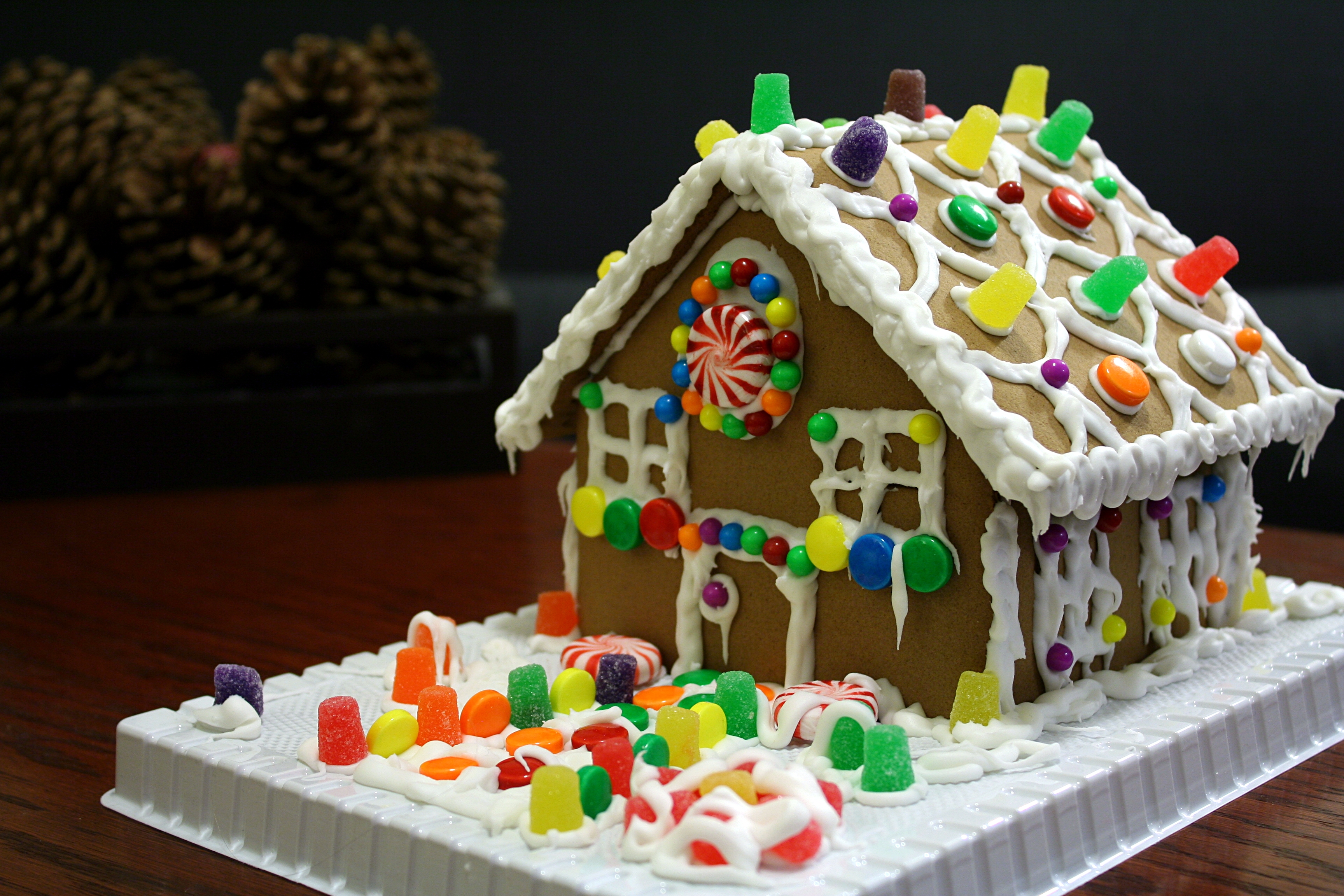

If you want to see how far that ceiling goes, 45 decorating ideas runs from a first attempt with a four year old up to contest entries.
History of the gingerbread house in Germany
As stated previously, gingerbread houses in Germany originated from bakers emulating the description from Hansel and Gretel. In Europe and North America, it was already commonplace to make gingerbread mould carvings with artistic depictions. This tradition was most popular during Christmas, where a great number of goods were baked from gingerbread.
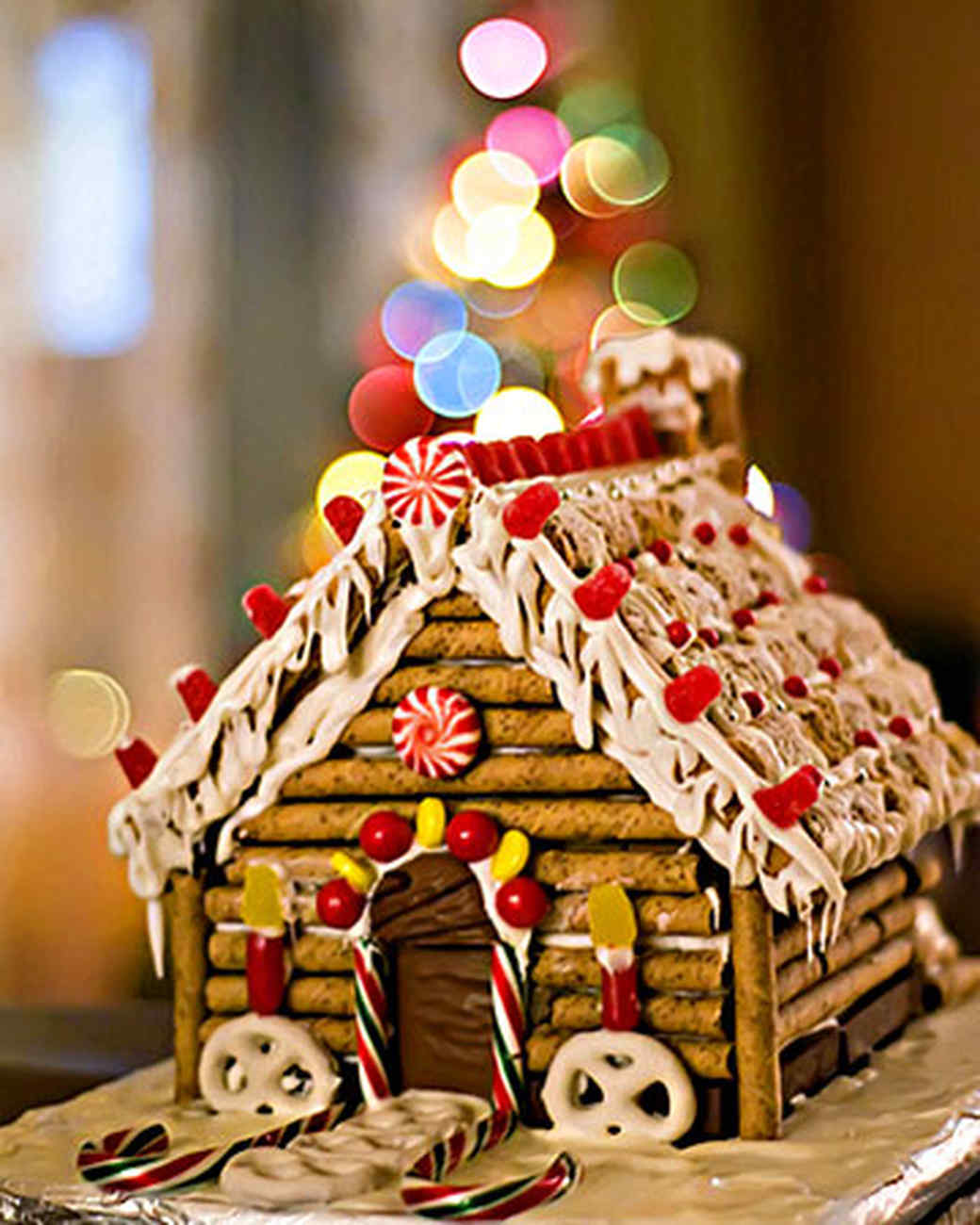
Nuremberg deserves a name-check here. Its baking guilds were regulating and protecting Lebkuchen production from the medieval period onward, and that guild tradition is a large part of why Germany, rather than anywhere else with ginger and flour, is where decorated gingerbread architecture took hold.
How were gingerbread houses incorporated into Christmas?
Gingersnap cookies have always been associated with the spirit of Christmas, and as such, it was highly popular to bake a large assortment of ginger products during Christmas. With the concept of gingerbread houses, eventually this tradition merged with the idea of gingerbread houses. And since Christmas is a widely important time in Germany, the practice would become synonymous with Christmas itself.
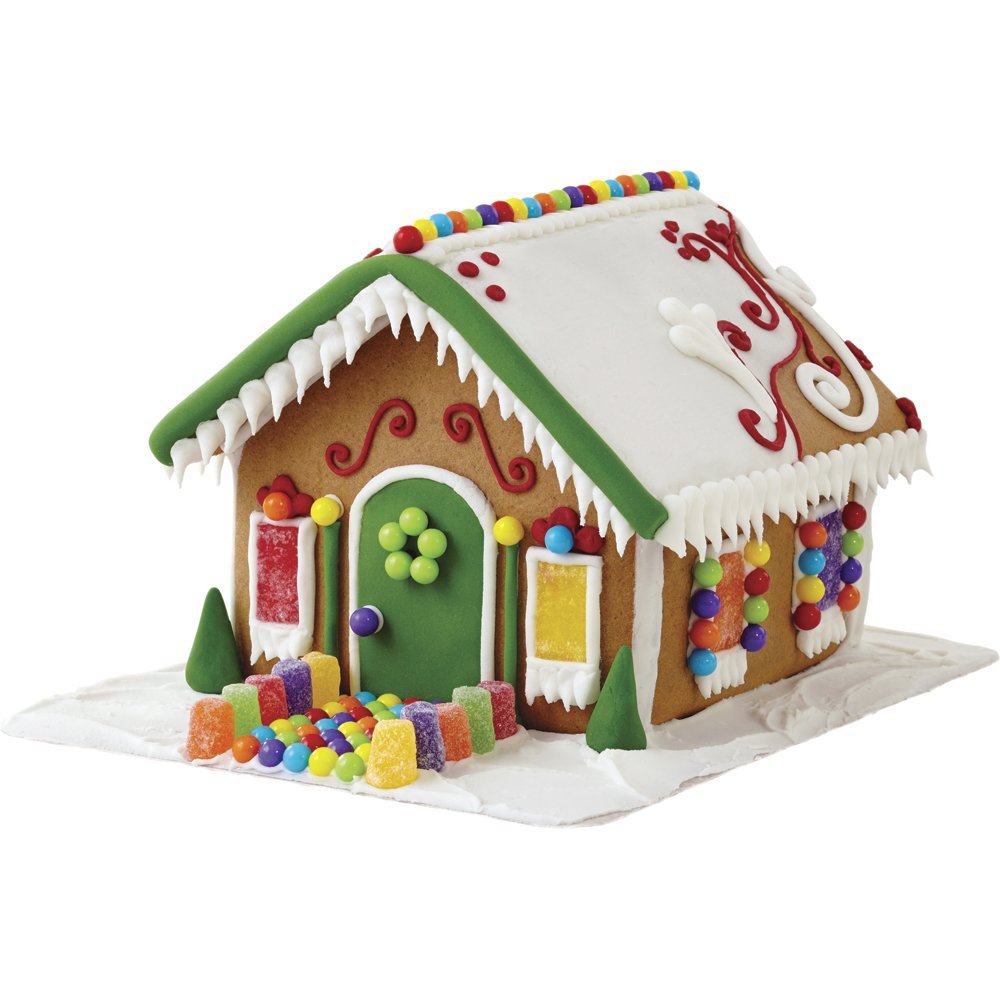

Worth adding that the Christmas association is not original either. Smithsonian describes it as something that happened “somewhere along the way, possibly because of historical connections between gingerbread and religious ceremonies or guilds”. For most of its history gingerbread was a fairground food, eaten year round, and its move to December is comparatively recent.
A timeline of gingerbread, sorted by what is actually known
Nine points, in order, each marked for whether it is documented or simply repeated a lot.
The Gingerbread Timeline
Nine points in the story, each marked for whether it is actually documented or simply repeated a lot. The two in red are the ones most retellings get in the wrong order.
Dates for early food history are approximate and contested by nature. Entries marked as documented are supported by the sources cited in the article above; entries marked as widely repeated are common in the literature but rest on thin evidence, and we would rather say so than tidy it away. Nothing you select is stored or sent anywhere.
Gingerbread facts, and whether they hold up
Gingerbread history is unusually full of good stories that nobody sources. Some are true, some are folklore, and at least one that appears everywhere is simply wrong. Here they are with a verdict on each.
Fact or Folklore
Nine things people say about gingerbread. Tap one to find out whether it holds up. Three of them do not, and one of those three is on almost every other page about gingerbread history.
Verdicts reflect the sources cited in the article above. Early food history is genuinely contested, so where the evidence is thin we say so rather than picking a side. Nothing you tap is stored or sent anywhere.
The famous facts, in full
- It is said that gingerbread can be traced as far back as Ancient Greece and Egypt.
- The story that an Armenian monk, Gregory of Nicopolis, brought gingerbread to France in 992 is repeated by some food historians, though the evidence for it is thin.
- Queen Elizabeth I is credited with the gingerbread man, after having her bakers shape biscuits to resemble visiting dignitaries. She is also said to have kept a royal gingerbread baker.
- Gingerbread has historically leaned on honey and molasses rather than refined sugar, which was scarce and expensive. Most modern recipes use brown sugar alongside molasses, so this is a historical tendency rather than a rule. Ours are in the dough and royal icing recipes.
- In the city of Bergen in Norway, they make an entire city of gingerbread houses annually.
- It is tradition that unmarried women in England would often eat gingerbread men for good luck in meeting a husband.
- In Sweden, gingerbread was thought to have brought good luck, and people would use them to make wishes.
- Britain has one of the deepest gingerbread traditions in Europe, not one of the thinnest. Smithsonian records that "several cities in France and England hosted regular gingerbread fairs for centuries". Grasmere and Ormskirk still trade on their own gingerbread, and the gingerbread man is credited to an English queen.
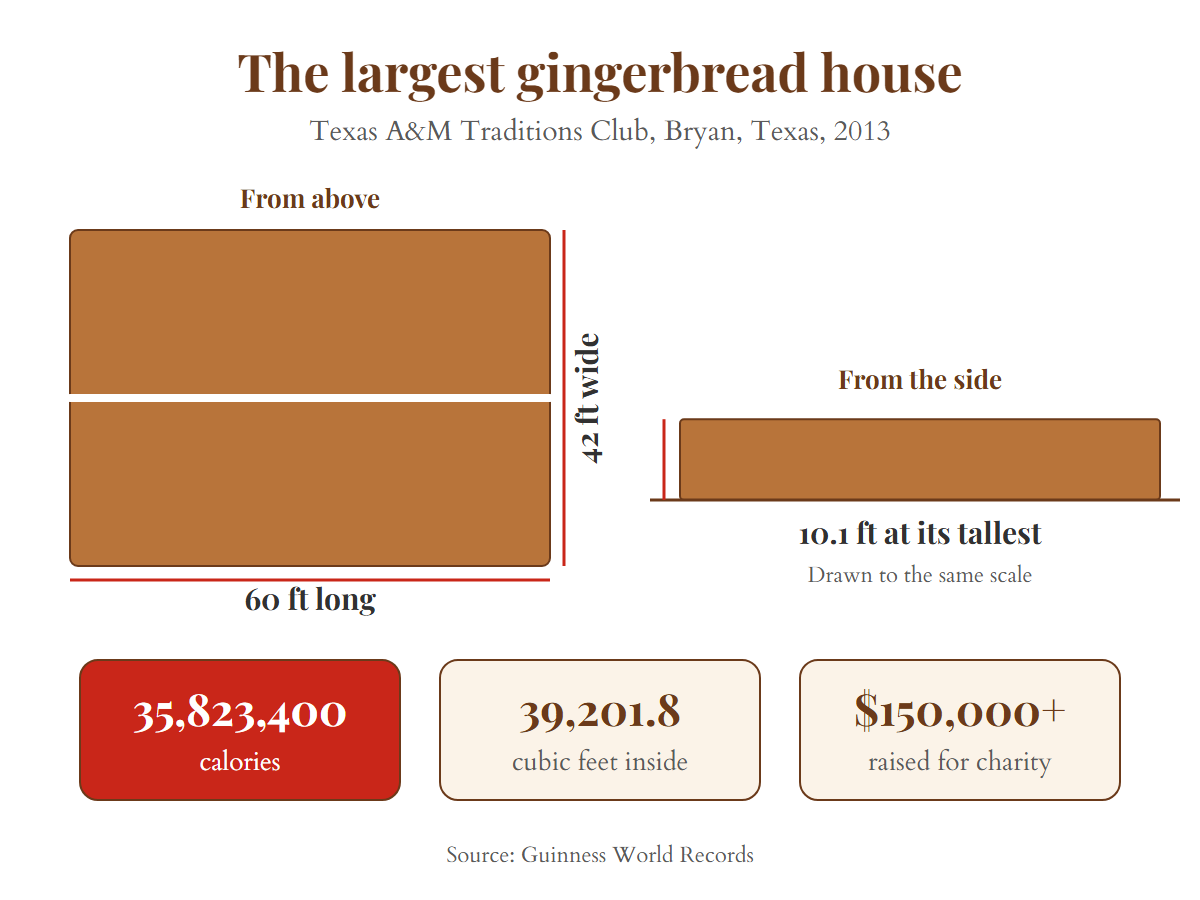
- The largest gingerbread house ever built was raised by the Texas A&M Traditions Club in Bryan, Texas in 2013. Guinness World Records measured it at 60 feet long, 42 feet wide and 10.1 feet at its tallest point, an internal volume of 39,201.8 cubic feet, containing 35,823,400 calories. It raised more than $150,000 for a children's hospital trauma center.
- A doctor once wrote a prescription for gingerbread for the Swedish King to cure his depression.
- Wilton is the largest gingerbread house kit manufacturer in the U.S.
- While the most popular time of year to make gingerbread houses is Christmas, bakers make gingerbread during Halloween and Valentine's day.
Where This Tradition Goes Next, with Best Gingerbread Houses
Four hundred years of people building small edible architecture for no practical reason at all is a good tradition to join. The nice thing about a history this long is that there is no correct way to do it: the guild bakers of Nuremberg, a child covering a roof in gumdrops, and a private club in Texas with 35 million calories of gingerbread are all doing the same thing. If you want to make one this year, how to make a gingerbread house from scratch has the method, and the gingerbread house kits we recommend will get you there faster. Even the most famous display houses change: Disney has retired the life-size Grand Floridian gingerbread house after 25 years and replaced it with smaller displays around the resort. Either way you are part of something that started about two centuries before anyone wrote down Hansel and Gretel.