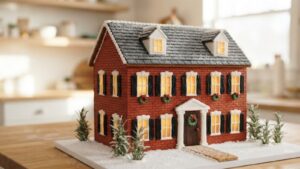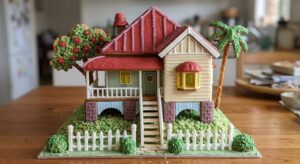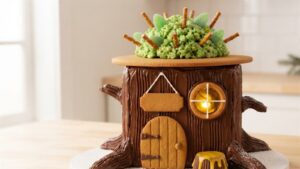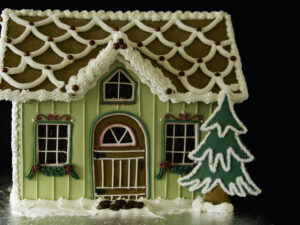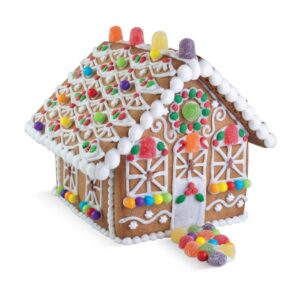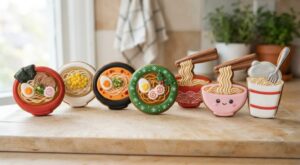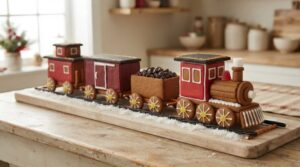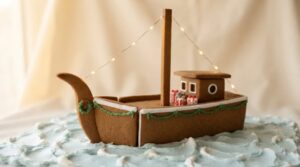
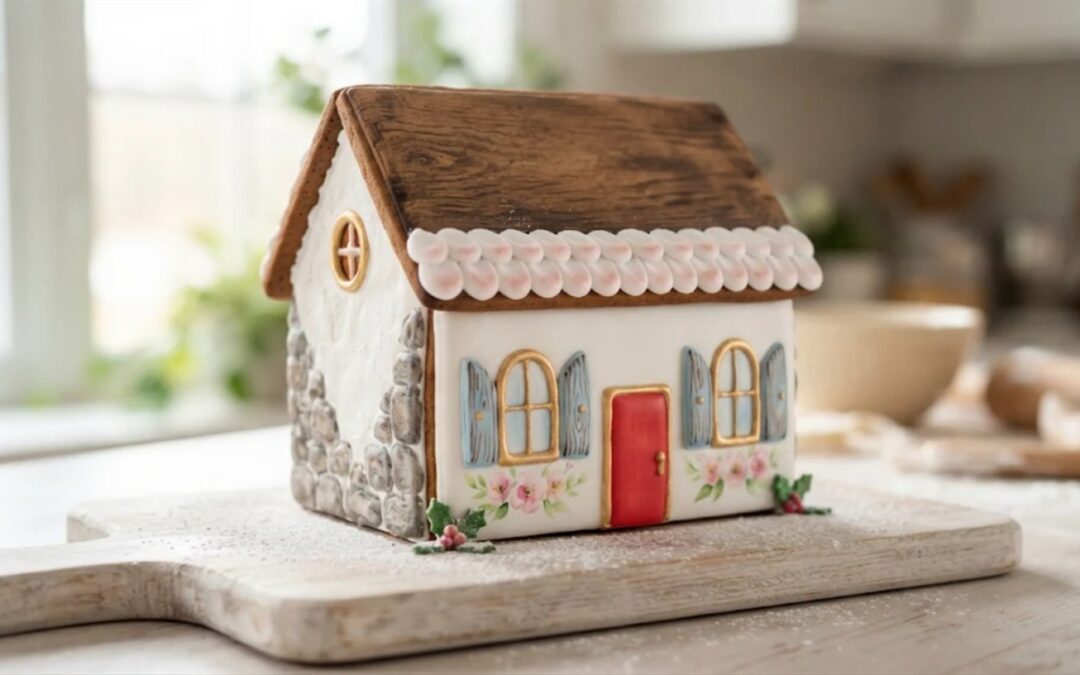
Piping gives a gingerbread house its outline. Paint gives it everything a piping bag cannot: wood grain, brick, soft watercolor flowers and gold that catches the light.
This guide covers edible paint made from gel food coloring, gold and silver luster paint, washes, stains and egg yolk paint, plus which surface each one suits. It is built on the paint methods cookie decorators use, the FDA’s advice on decorating dusts and our icing set times. It is for anyone with a dry iced house, bare panels or a batch of dough waiting to be cut.
You get the paint recipe, a mixer that sets the ratio for your surface and a planner for paint day. The card comes first, because every technique here starts from the same few drops.
Edible Paint for Gingerbread Houses
Makes 1 small palette, enough for the painted details on one house · Prep 5 minutes · No bake · Icing set before painting: overnight for flooded icing, about 2 hours for piped lines · About 15 minutes between coats
Total time about 9 hours, almost all of it the icing setting.
Equipment: Palette or small white dishes, Soft round brushes, sizes 0 to 6, kept for food, A small flat brush, Paper towel.
Ingredients
- Gel food coloring in each color you want
- 1 to 2 teaspoons clear vodka or clear lemon extract
- 1/4 teaspoon edible luster dust in gold or silver, labeled edible with an ingredient list, optional
- A few drops of water, in place of the alcohol, for young children
- For egg yolk paint on unbaked dough: 1 egg yolk and 1/4 teaspoon water, optional
Method
- Let the icing set hard before you paint, overnight for flooded or spread icing and about 2 hours for piped lines, until a fingertip leaves no dent.
- Squeeze a pea-sized dot of each gel color into its own well of a palette or a small white dish.
- Add clear vodka or clear lemon extract a few drops at a time, stirring with the brush, until the paint moves like thin cream for bold color or like tinted water for a wash.
- Test the paint on a scrap of dried icing or the back of a panel, checking the color and that the surface stays smooth.
- Paint the base color in one thin coat with a lightly loaded brush, wiping excess on the edge of the dish first.
- Wait about 15 minutes, until the coat looks matte and no longer feels tacky, before painting over it.
- Add the shading, wood grain and fine lines with a small round brush, working light to dark.
- Brush on gold or silver luster paint last, mixed from 1/4 teaspoon of edible dust and a few drops of vodka or extract.
Notes: ratios are starting points, so test on a scrap first. Set times come from our icing page and the wait between coats is our estimate; a damp kitchen needs longer. Use only dusts labeled edible with an ingredient list.
Which Paint for Which Surface
Paint dry royal icing with gel color thinned in clear vodka or clear extract, never with water-heavy paint. Paint bare gingerbread for deep, stained colors, and paint unbaked dough with egg yolk paint. The surface decides the paint before the color does.
We call this the Surface Rule. Most painting problems on a gingerbread house come from the right paint on the wrong surface: watery paint that pits icing, or gold that sinks into porous dough and goes dull.
| Surface | Best paint | Avoid | What you get |
|---|---|---|---|
| Dry royal icing, set overnight | Gel color with clear vodka or clear extract | Water-heavy paint, which soaks in and pits the icing | Bright, true color on a white base |
| Fresh or soft icing | Nothing yet: wait until it is hard | Any paint, which dissolves the surface | Streaks, dents and holes |
| Bare baked gingerbread | Gel color with vodka or extract for stains; gold luster paint for trim | Expecting bright pastels | Deeper, muted color, like stained wood or old brick |
| Unbaked dough | Egg yolk paint, brushed on before baking | Alcohol paint, which the oven bakes into a dull film | Glossy color baked into the surface |
| Hard candy and candy windows | Gold or silver luster paint, a little at a time | Water, which turns candy sticky | A metallic edge or frame |
One rule sits under the whole table. Paint only what has set: icing that still dents under a fingertip dissolves under a brush.
Edible Paint Mixer
Tell it what you are painting, the look you want and who is holding the brush. You get the paint to mix, a starting ratio and the brush to use.
Ratios are starting points, not measurements: test on a scrap first and adjust. Use only dusts labeled edible with an ingredient list. Nothing you pick is stored or sent anywhere.
What You Need to Paint a Gingerbread House
A short kit covers every technique on this page. Buy brushes new and keep them for food.
Materials
- Gel food coloring in the colors you want, including brown and black for wood and shading
- Clear vodka or clear lemon extract, about 1 to 2 teaspoons per palette
- Edible luster dust in gold or silver, labeled edible with an ingredient list
- Edible petal dust in soft colors, for dry-brush shading
- An egg yolk, for egg yolk paint on unbaked dough
- A house iced with royal icing that has set hard, or bare baked panels
Tools
- Soft round brushes in sizes 0 to 6, plus one small flat brush
- A paint palette or a few small white dishes
- A clean kitchen sponge cut into small pieces, for stone and brick texture
- Paper towel for blotting the brush
- A scrap of dried icing or a spare baked piece, for testing colors
How to Make Edible Paint Step by Step
These eight steps take you from a dry iced panel to finished paint with gold trim. Paint the panels flat, before you build, whenever you can: a flat panel does not drip and you never reach around a roof.
1.Let the icing set hard
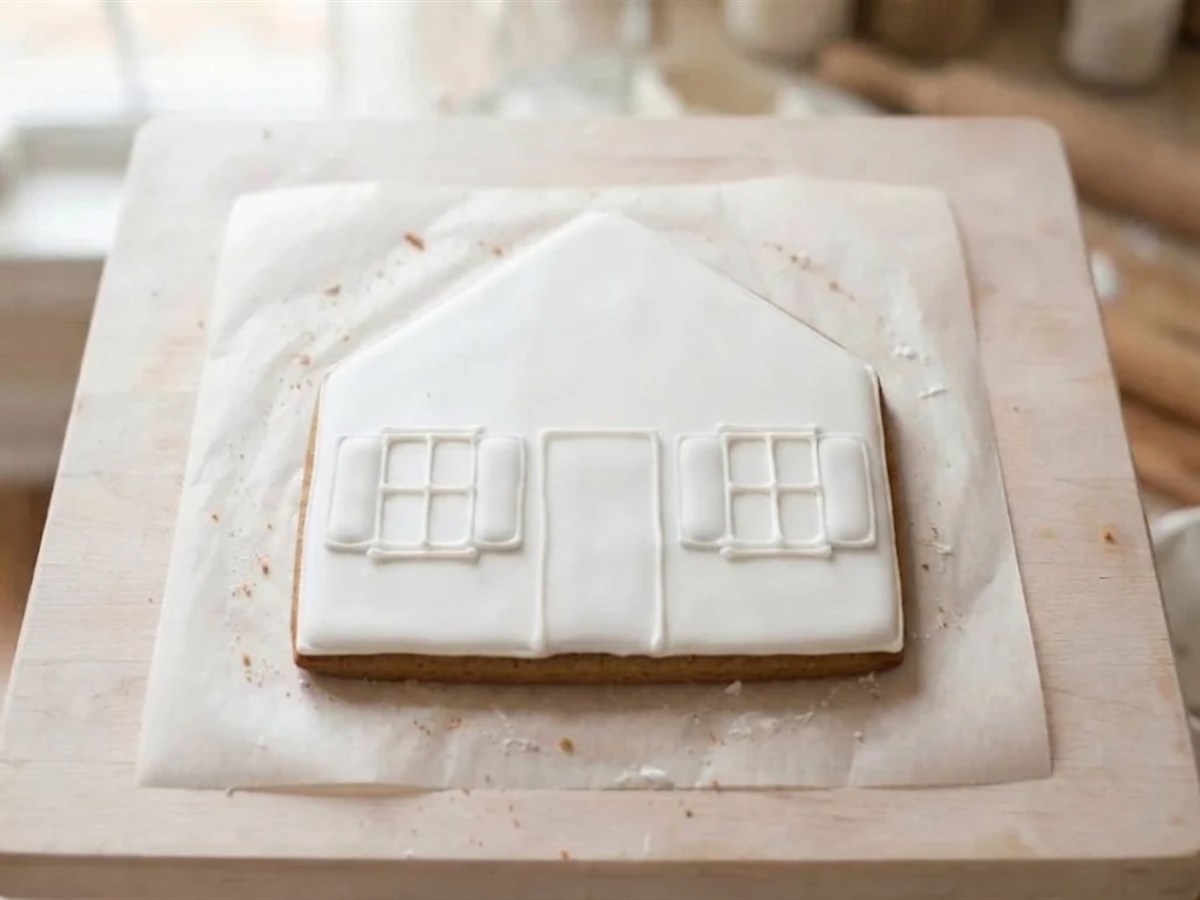
Leave flooded or spread icing overnight and piped lines about 2 hours. It is ready when it looks matte and a fingertip pressed on a hidden corner leaves no dent.
Why this matters: paint carries liquid, and liquid dissolves icing that has not set. Our icing page gives flooded icing overnight, 8 to 12 hours, to cure fully.
2.Squeeze the color into a palette
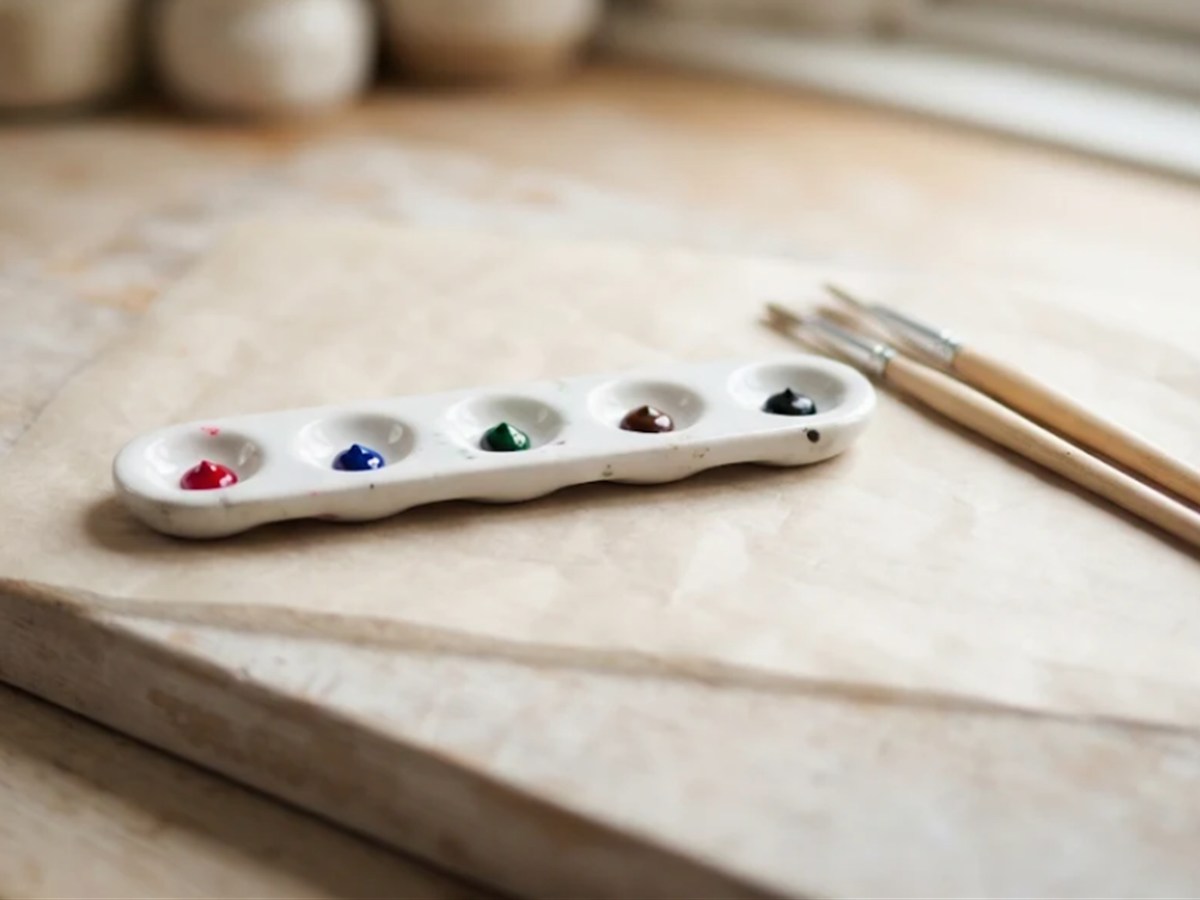
Squeeze a pea-sized dot of each gel color into its own well of a palette or a small white dish. A white dish shows the true color.
Why this matters: gel is concentrated, and a pea-sized dot paints more than you expect. Small amounts also dry out less before you use them.
3.Add the vodka or extract a few drops at a time
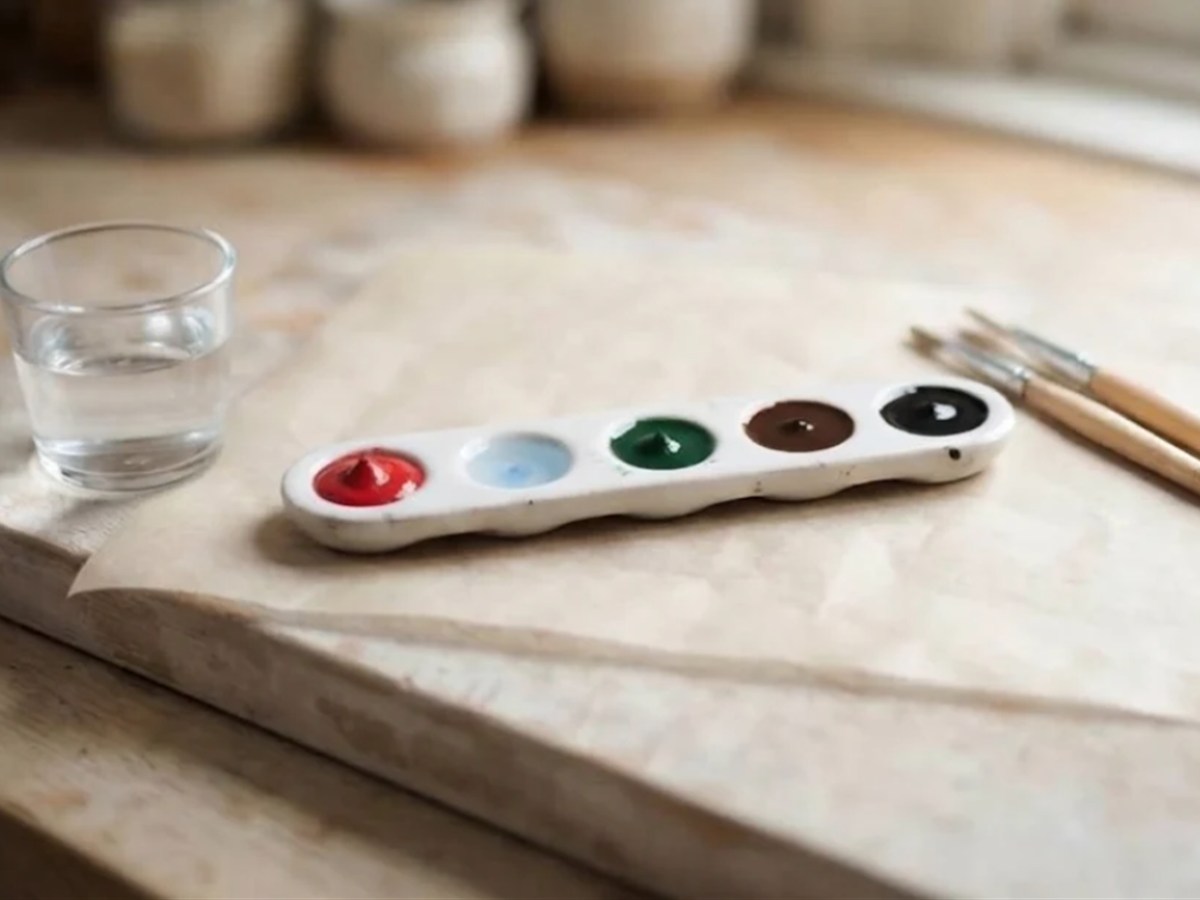
Add clear vodka or clear lemon extract a few drops at a time and stir with the brush. Stop at thin cream for bold color, or keep going to tinted water for a wash.
Why this matters: alcohol dries much faster than water, so it sits on the icing and leaves the color behind instead of soaking in. Food Network’s test kitchen notes in its watercolor snowflake cookies that the alcohol may not evaporate completely, so see the kids section before handing out brushes.
4.Test the paint on a scrap
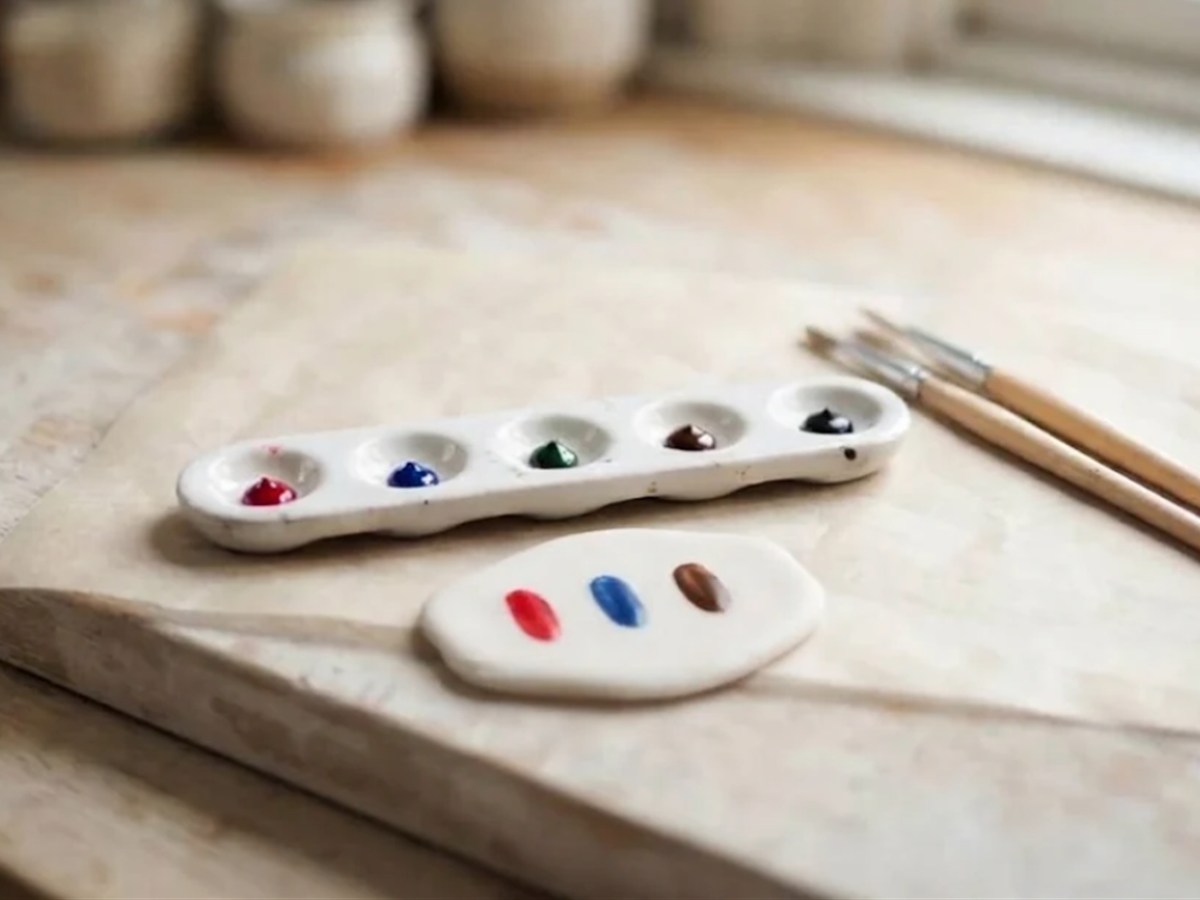
Test each color on a scrap of dried icing or the back of a panel. The stroke should go on smooth and dry to the color you want, with no dull pit underneath.
Why this matters: paint dries lighter or darker than it looks wet, and a test costs nothing. A pit on the scrap means the paint is too wet.
5.Paint the base coat thin
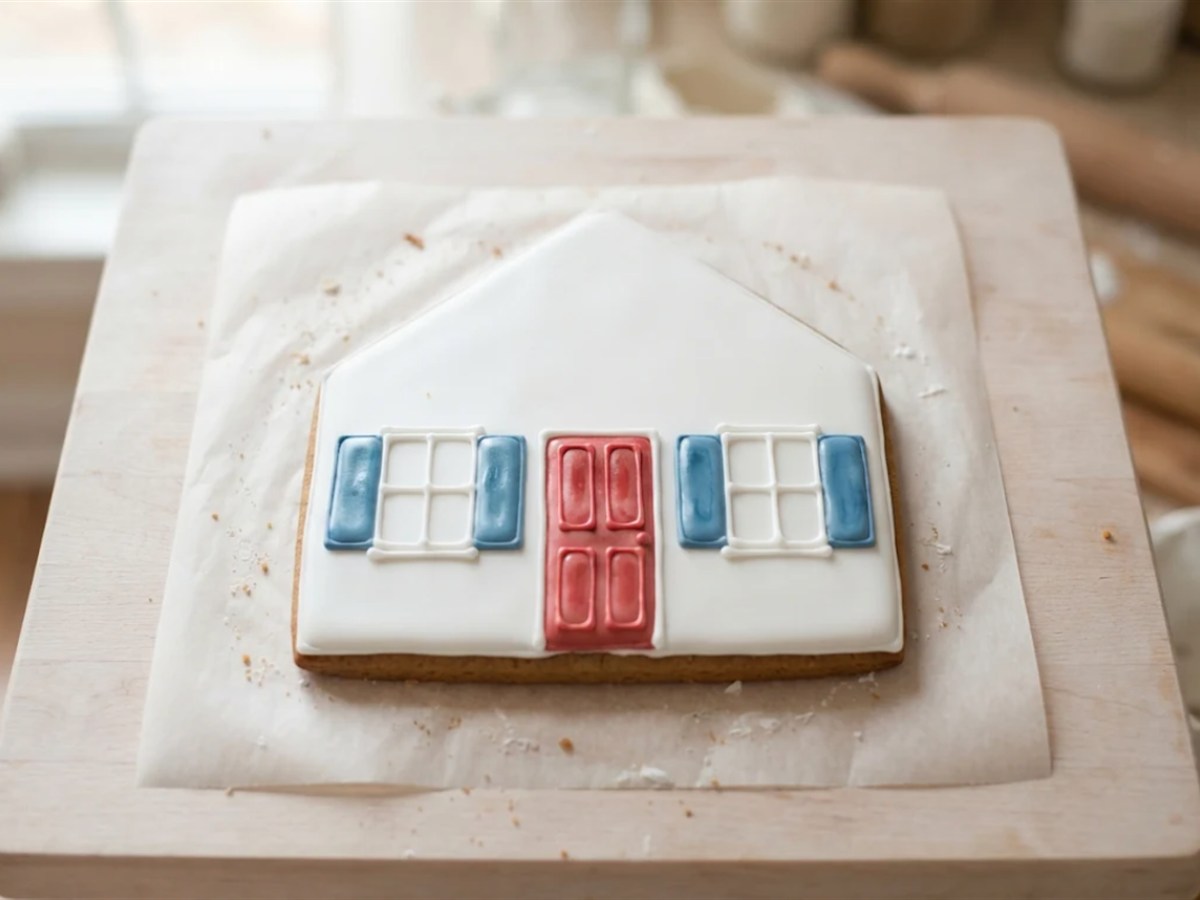
Paint the base color in one thin coat with a lightly loaded brush. Wipe the brush on the edge of the dish first so it never drips.
Why this matters: two thin coats look smoother than one heavy one, and a heavy coat is how paint dissolves a dent into the icing.
6.Wait between coats
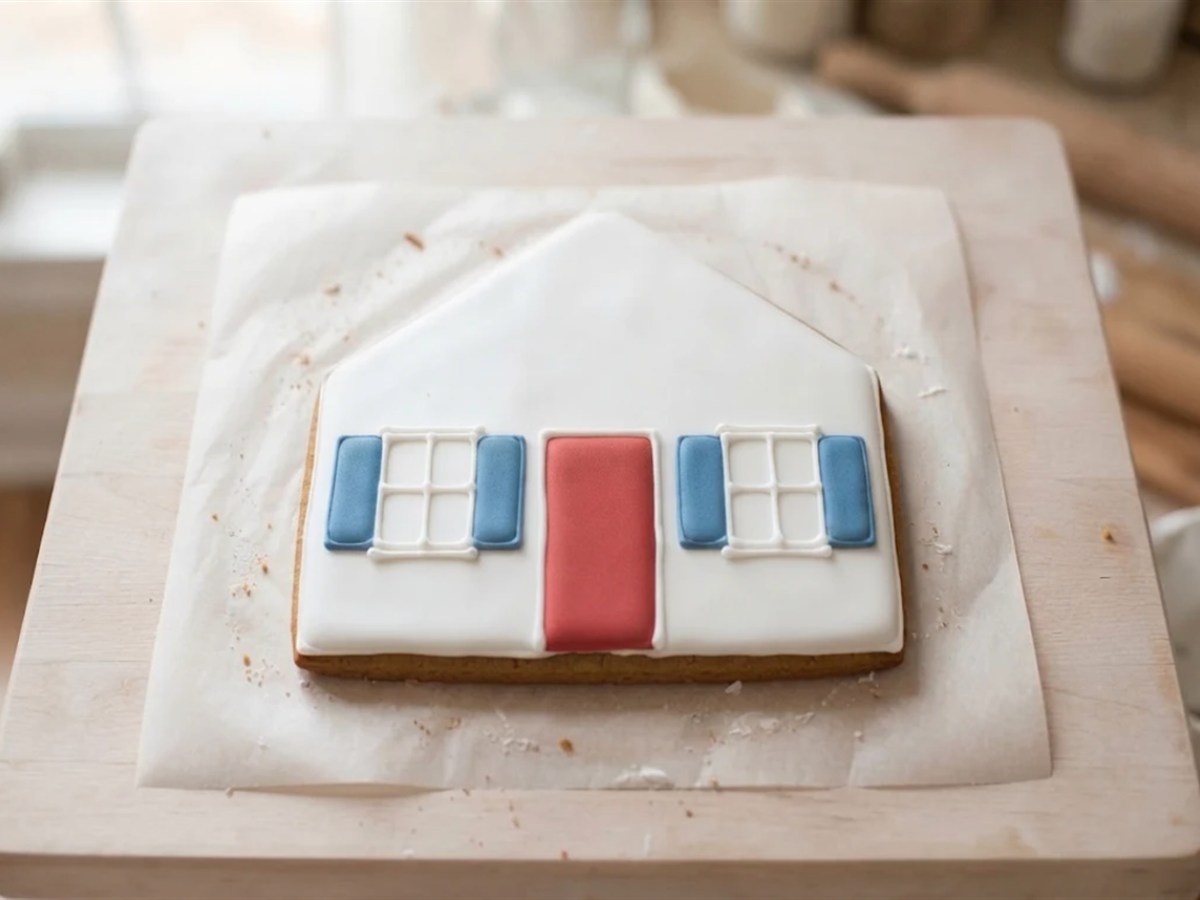
Wait about 15 minutes, until the coat looks matte and no longer feels tacky, before you paint over it. A damp kitchen takes longer.
Why this matters: painting into a wet coat lifts it and muddies the color underneath.
7.Add the details

Add shading, wood grain and fine lines with a small round brush, working from light colors to dark. Thin lines need slightly thicker paint.
Why this matters: dark paint covers light paint, never the other way around, so the order saves you from repainting.
8.Brush on the gold last
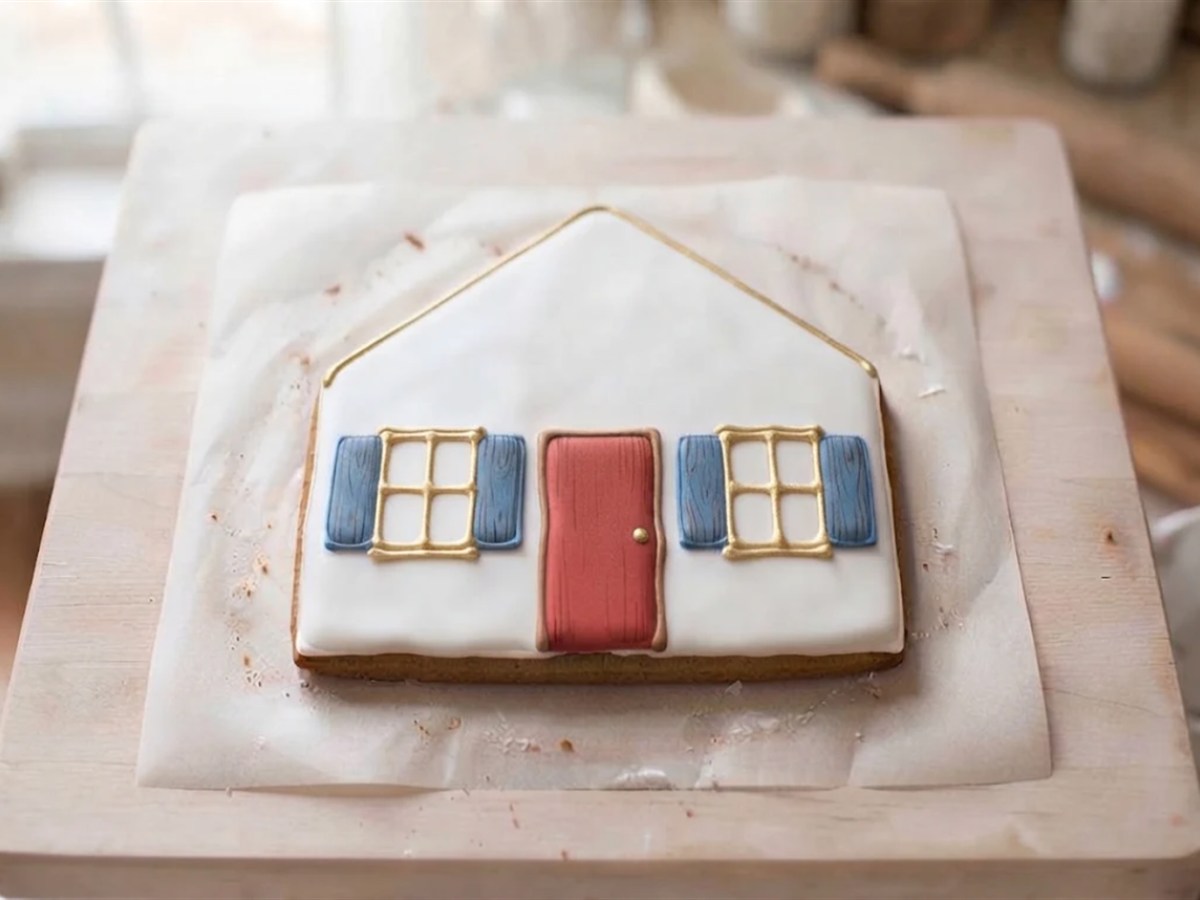
Mix about 1/4 teaspoon of edible luster dust with a few drops of vodka or extract and paint the trim, handles and frames last. Add a drop more liquid as it thickens.
Check as you go: let the gold dry, about 15 minutes, before the panels are handled or built.
Why this matters: gold smudges easily, and painting it last keeps it off your fingers and off the other colors.
Picture a family painting four walls on a Saturday morning. The walls were flooded white on Friday night, so by breakfast the icing is hard. Each person takes a wall, the gold goes on at lunch, and the house is built that afternoon with every painted detail already dry.
8 Ways to Paint a Gingerbread House
Most painted houses use two or three of these: a base color, a texture and a touch of gold.
1.Bold Gel Paint on Dry Royal Icing

Bold gel paint is gel food coloring thinned with a little vodka or extract and painted onto dry white icing. The white base keeps colors bright and true, which makes it the best choice for doors, shutters and window boxes.
- Thin the gel to about the thickness of cream, starting near 1 drop of gel to 2 drops of liquid.
- Paint inside a piped outline so the edges stay crisp.
- Add a second coat once the first is matte for a deeper color.
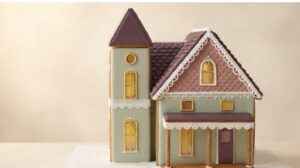
Our Victorian build uses the same three-color scheme idea for its painted lady trim.
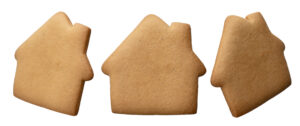
2.Painting Bare Gingerbread for Wood and Brick
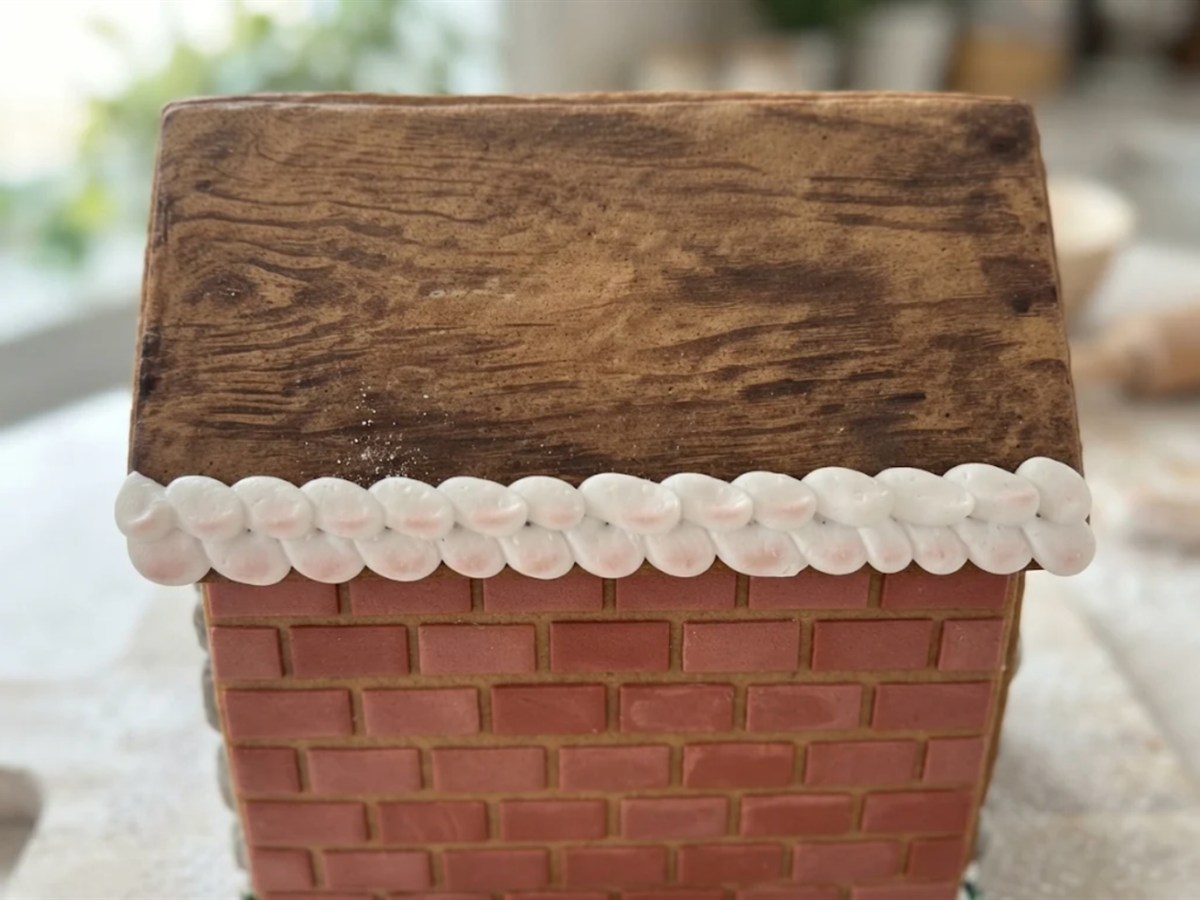
Painting bare gingerbread gives deep, muted color, because the brown dough shows through and the surface soaks up some of the paint. It is the right look for wood grain, log walls and old brick, and the wrong one for bright pastels.
- Thin brown or black gel to a stain, about 1 drop of gel to 4 drops of liquid.
- Drag a nearly dry brush along the panel in long strokes for wood grain.
- For brick, paint muted red rectangles and leave thin bare lines between them as mortar.
A gingerbread log cabin is the natural place for a wood-grain stain.
3.Watercolor Washes
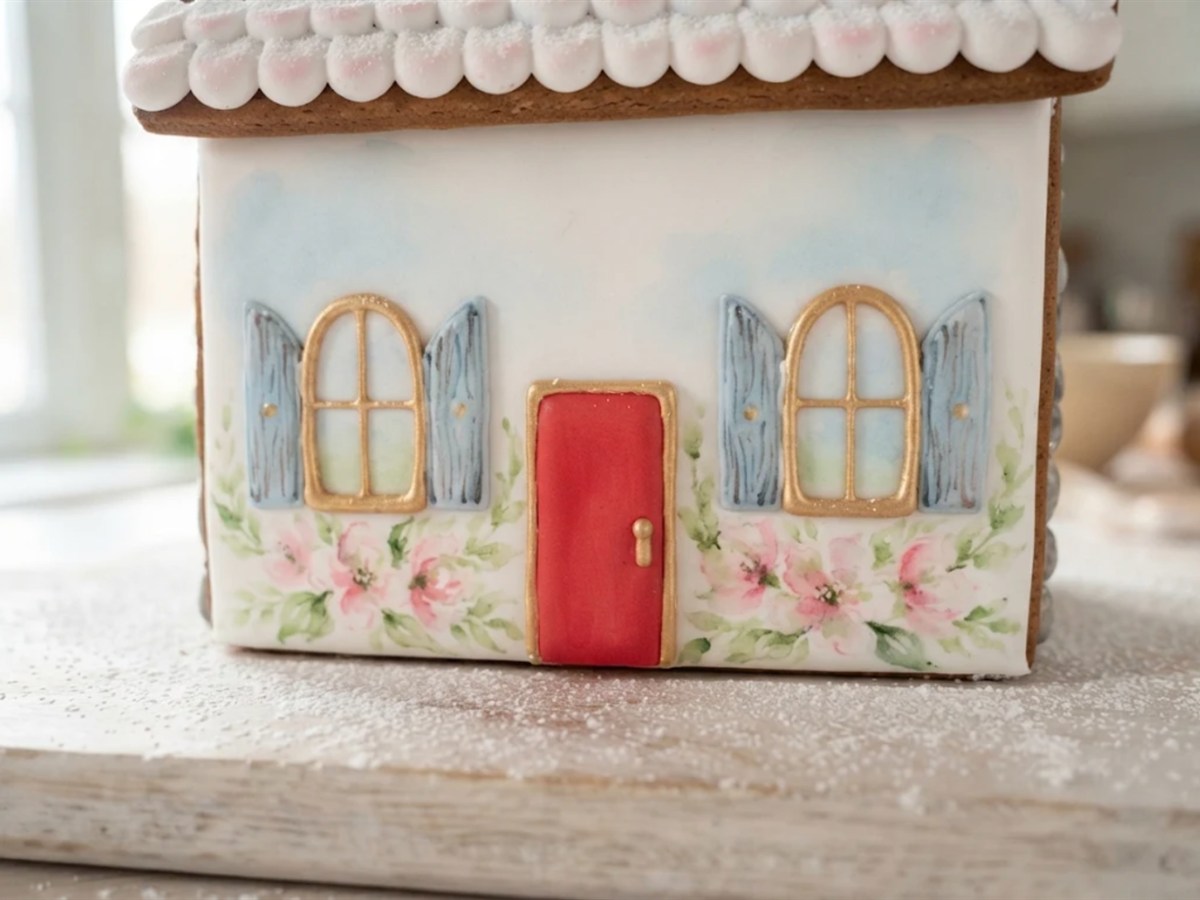
A watercolor wash is very thin gel paint brushed over dry white icing so the white shows through. It gives soft flowers, skies and sunset walls with almost no skill, because the blur is the point.
- Thin the gel to tinted water, starting near 1 drop of gel to 6 drops of liquid.
- Lay a pale wash first and let it dry.
- Drop a darker version into a still-damp patch so the colors bleed together.
Keep washes off thin piped lines, which dissolve faster than a flooded panel.
4.Gold and Silver Metallic Paint
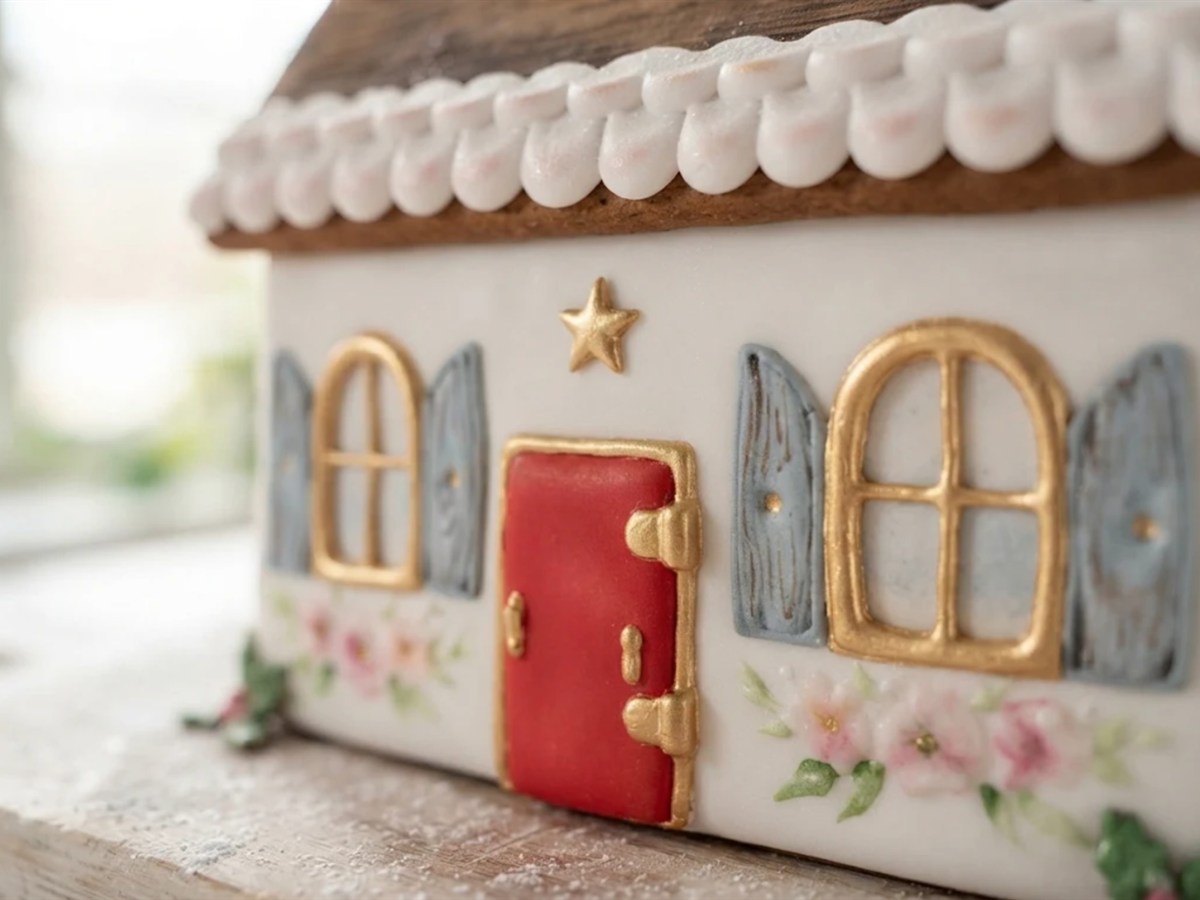
Gold and silver paint is edible luster dust mixed with a few drops of vodka or clear extract. It shines best on dry white icing or hard candy; on bare gingerbread it tends to sink in and look dull.
- Stir about 1/4 teaspoon of edible luster dust with a few drops of liquid.
- Paint frames, hinges, handles and stars with a small round brush.
- Stir often, because the dust settles to the bottom.
Our angel cookies paint their gold the same way, with luster dust and a few drops of clear lemon extract.
5.Petal Dust Shading With a Dry Brush

Petal dust shading is matte edible dust brushed on dry, with no liquid at all. It adds soft shadows and blush to icing edges, and because nothing wet touches the icing, it is the safest way to add color to delicate piping.
- Dip a soft, dry brush in the dust and tap off the excess.
- Brush it lightly onto the edges of shingles, window boxes or snow.
- Build the color in layers rather than one heavy stroke.
6.Egg Yolk Paint Before Baking
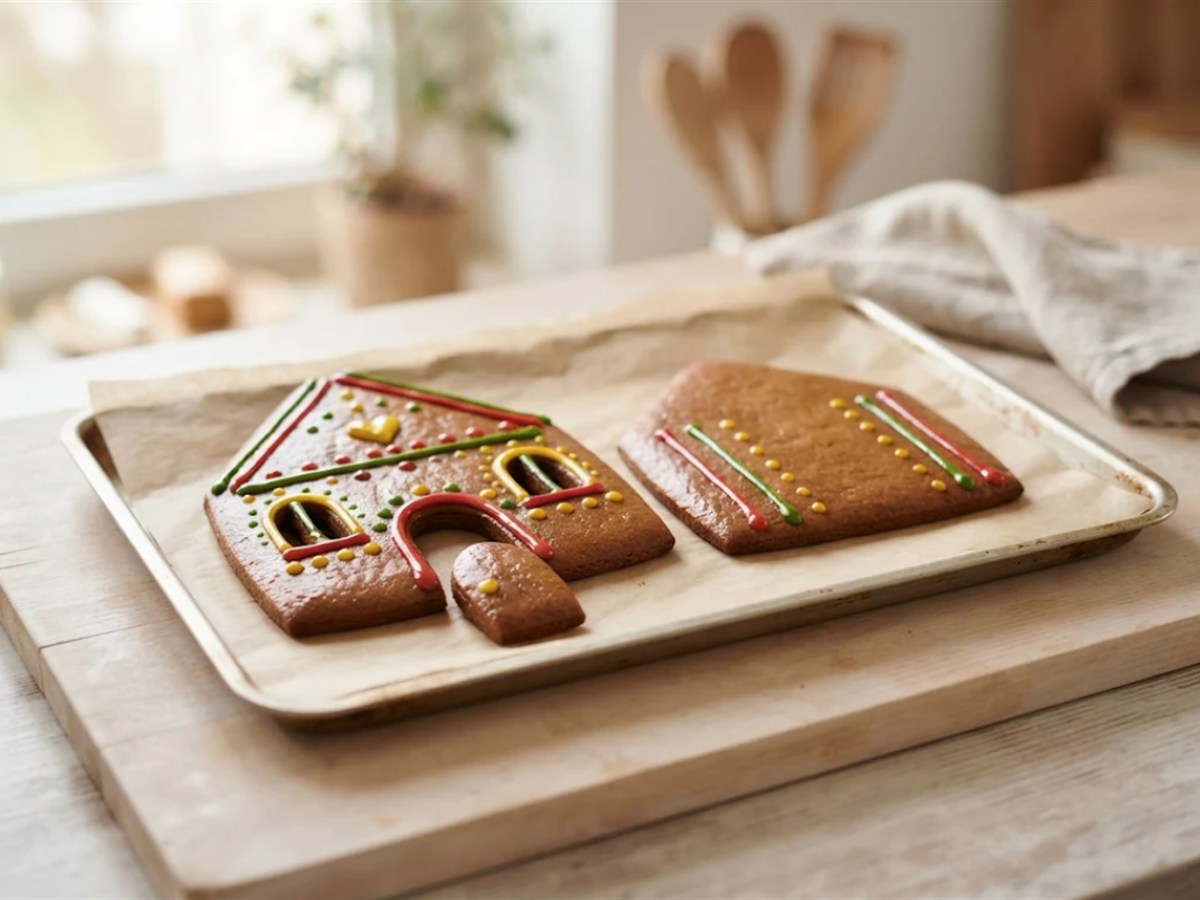
Egg yolk paint is an egg yolk mixed with a little water and gel color, painted onto cut, unbaked dough. The oven cooks the yolk into a glossy, baked-in color, so it needs no alcohol and suits young children.
- Mix 1 egg yolk with about 1/4 teaspoon of water and split it into small cups.
- Add a drop or two of gel color to each cup.
- Paint the cut pieces on the baking sheet, then bake as usual.
Picture a six-year-old with a pastry brush and four cups of egg yolk paint. Every stripe and polka dot goes into the oven with the walls, and nothing on the house needs alcohol or waiting.
7.Store-Bought Edible Paint

Store-bought edible paint comes ready to use in pots, pens or squeeze bottles. It saves mixing and gives even color, which helps with a big group, but it costs more than a few bottles of gel.
- Shake or stir it well and test it on a scrap.
- Paint it onto dry icing like homemade paint.
- Check the label says edible and lists its ingredients.
8.Sponged Stone and Brick Texture

Sponged texture is paint dabbed on with a small piece of clean kitchen sponge. Two or three colors dabbed over dry white icing read as stone, cobbles or weathered brick in a few minutes.
- Cut a new kitchen sponge into small pieces and keep them for food.
- Dip a piece into gray paint, blot most of it off and dab the wall.
- Dab brown over the gray, then pipe or paint mortar lines once it is dry.
Which Dust Is Safe to Eat
Only use luster, petal or glitter dust that says edible on the label and lists its ingredients. Dusts sold as “non-toxic” or “for decorative purposes only” are not food, even when they sit next to the cake supplies.
The FDA advises bakers to avoid glitters and dusts on food unless they are made to be edible. It notes that the same trade names, luster dust, petal dust, highlighter and others, are used for edible and non-edible products, so the name tells you nothing. The label does.
Picture a baker who finds a jar of gold “luster dust” in the craft aisle, labeled non-toxic with no ingredient list. It looks identical to the edible jar in the baking aisle. On a gingerbread house, the difference is the whole point: the house will get picked at, whatever anyone planned, so that jar belongs on the ornaments, not the roof.
Painting a Gingerbread House With Kids
For young children, paint unbaked dough with egg yolk paint, or paint dry icing with gel thinned in a few drops of water. Save vodka and extract paint for older kids and grown-ups.
Lemon extract is not an alcohol-free swap: a common grocery-store lemon extract lists 83 percent alcohol on its label. Water works on icing if the brush is nearly dry and each coat dries for longer. The trade-off is a little less crisp color, which young painters never notice.
If kids are painting and adults are doing gold, set up two palettes: water colors on the table, the luster paint on the counter. Then nobody has to remember which cup is which.
Wood, Ceramic and Canvas Gingerbread Houses Are a Different Job
Many people searching for how to paint a gingerbread house want a wooden, ceramic or canvas version that never gets eaten. Those use acrylic craft paint and puffy paint, and that is the right choice for them.
Never use acrylic, craft or puffy paint on a real gingerbread house, and never mix craft brushes with food brushes. If the house is made of gingerbread, everything on it should be food, because someone always takes a bite.
Troubleshooting
| Problem | Likely cause | Fix |
|---|---|---|
| Paint left a pit or hole in the icing | The icing was not set, or the paint was too wet | Let the icing set overnight, blot the brush and switch from water to vodka or extract |
| Colors look dull and dark | Painted on bare gingerbread | Pipe or flood white icing first and paint on that once it is hard |
| Gold looks flat | It sank into bare dough, or the dust settled in the dish | Paint gold on icing or candy, and stir between brushfuls |
| Streaky base coat | One heavy coat, or painting into a wet coat | Two thin coats with a matte dry between them |
| Paint is drying in the palette | Alcohol evaporates fast | Mix small amounts and add a drop of liquid as it thickens |
| Wash bled across a piped line | Too much liquid near thin piping | Keep washes inside flooded areas and shade piping with dry petal dust |
| Paint tastes of lemon | Lemon extract as the base | Use clear vodka, or clear extract only on details |
| Candy turned sticky | Water on hard candy | Use a dry brush of dust or a little luster paint |
Make Ahead Plan
Painting adds a day to a gingerbread house, because the icing has to set before the brush touches it.
- Day one: bake the panels, then flood or pipe the white icing on the flat pieces.
- Day two, morning: paint the base colors and details on the flat panels.
- Day two, after lunch: add the gold, let it dry, then build the house.
- Egg yolk paint: paint the pieces on bake day, before they go in the oven.
Building on painted panels follows decorating the panels flat, the same order the rest of the decoration uses.
Storage Instructions
Mixed alcohol paint can dry out in the dish within the hour, so mix only what you need and add a drop of liquid to revive it. Leftover egg yolk paint goes in the trash at the end of bake day. A painted house keeps its color best in a dry room out of direct sun, and our guide to gingerbread house display life covers how long it will look good.
When You Can Paint and When You Can Build
Our icing page puts piped detail at about 2 hours and flooded icing at overnight, and paint waits on both. The planner works out the clock for your house.
Paint Day Planner
Enter when the icing went on and how you will paint. It tells you when you can start, how long to wait between coats and when the panels are ready to build or show.
A planning guide built from our icing set times, not a guarantee: thick icing, cold rooms and damp weather all slow drying. When in doubt, press a hidden corner: if it dents, wait. Nothing you enter is stored or sent anywhere.
More Painting Techniques and Icing Recipes
Paint pairs with the other finishing jobs. White drifts make painted trim pop, so see our gingerbread house snow guide. Candy windows glow behind painted frames, which is where stained glass gingerbread house windows come in. For a two-tone painted look on a whole house, see our beach house build, and for the whole job in order, start with decorating a gingerbread house.
Frequently Asked Questions
What paint can you use on a gingerbread house?
Use edible paint: gel food coloring thinned with clear vodka or clear extract, edible luster dust mixed the same way, store-bought edible paint, or egg yolk paint on unbaked dough. Never use acrylic or craft paint on gingerbread.
How do you make edible paint for a gingerbread house?
Squeeze a pea-sized dot of gel color into a dish and stir in clear vodka or clear lemon extract a few drops at a time, until it moves like thin cream. Test it on a scrap of dried icing first.
Can you paint royal icing with water and food coloring?
You can, but water soaks into royal icing and can dissolve or pit it. Use a nearly dry brush, thin coats and a longer dry between them, or use vodka or clear extract, which dry much faster.
Can you paint directly on gingerbread?
Yes. Paint on bare gingerbread comes out deeper and more muted because the brown dough shows through, which suits wood grain and brick. For bright colors, paint on white icing instead.
Is luster dust safe to eat?
Only if the label says edible and lists its ingredients. The FDA advises against dusts sold as non-toxic or for decoration only, because the same names cover non-edible products.
How long does edible paint take to dry?
Vodka or extract paint usually looks matte in about 15 minutes on dry icing. Water-based paint takes longer, and a damp kitchen slows both.
Paint Your Next House With Best Gingerbread Houses
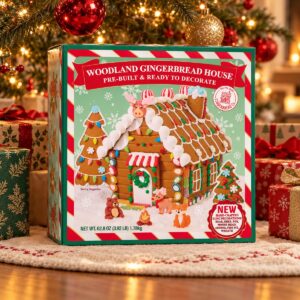
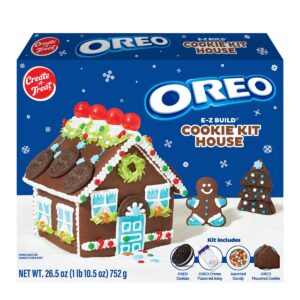
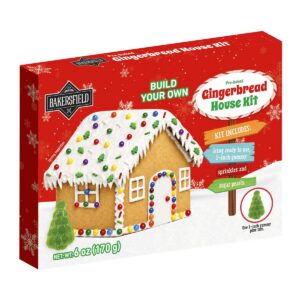
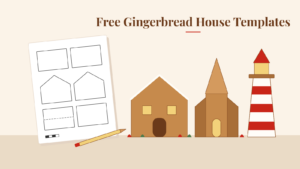
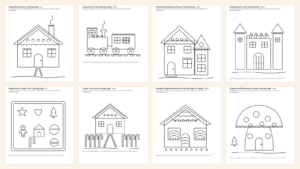
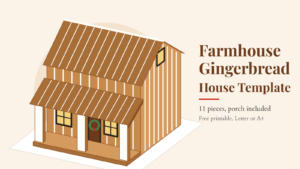
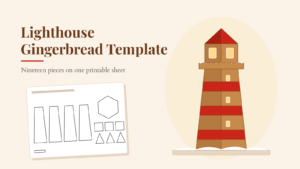
Flat, even panels take paint best, so start with a good build. Pick one of the printable house templates and paint the pieces flat before assembly, or start from one of the kits worth buying and turn its plain walls into a painted cottage. For painted houses to copy, browse our house idea gallery.